
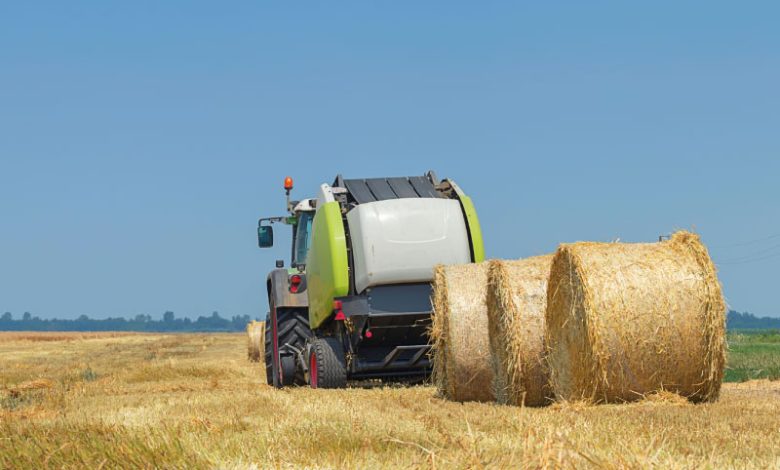
Bale wrap film plays a vital role in preserving the quality of harvested forage. For farmers, selecting the right wrap is about ensuring efficiency, reducing waste, and maintaining feed quality for livestock. But what exactly do they assess before deciding on this crucial material? Here’s a breakdown.
Durability and Strength
The priority for many farmers is to evaluate the durability of the bale wrap film. Handling bales often involves exposure to sharp edges, equipment pressure, and outdoor elements. A strong, tear-resistant wrap minimizes the risk of punctures or damage, which could compromise the stored forage. High tensile strength ensures the wrap holds firm even when tightly wound around bales.
For those using hay wrap, this reliability is especially critical. Hay needs to remain dry and intact to retain its nutritional value. The correct film can prevent losses and prolong the bale’s quality over time.
Weather Resistance
Weather is unpredictable, and bale wrap must stand up to a variety of conditions, from scorching sun to heavy rain. Farmers often search for films with high UV resistance to protect bales stored outdoors during sunny periods. Films designed for extreme temperatures, whether hot or cold, are preferred, as they’ll maintain performance regardless of the climate.
Moisture protection is equally essential. Films that create an airtight seal help to prevent water penetration. This capability is incredibly useful for protecting silage, as excess moisture could lead to spoilage or mold growth.
Stretchability and Grip
A highly stretchable film offers multiple advantages. Farmers choose wrap that can elongate without tearing, enabling efficient usage while reducing overall material consumption. Stretchability also ensures a consistent, tight fit around the bale, something that’s particularly vital when using wrapping machinery.
Grip, or cling, is another important feature farmers evaluate. Wrap film with sufficient self-adhesion sticks firmly, forming multiple layers that secure the bale. This added layer of security optimizes oxygen exclusion, which is vital to trap leftover forage nutrients.
Thickness and Layers
The thickness of the wrap affects how well it protects the forage. Farmers often opt for multi-layered films, which deliver added strength and tear resistance. More layers mean better performance, but the key is finding a balance between robust protection and cost-efficiency. Thin films with advanced engineering can deliver excellent results without excessive material usage.
It’s equally important that layers are evenly distributed throughout the roll. Uneven thickness can lead to weak spots, increasing the risk of punctures during application or storage.
Eco-Friendly Options
Sustainability is becoming a global concern, and the farming sector is no exception. Farmers today may look for bale wrap films made from recyclable materials or those with a lower carbon footprint. Some wraps are biodegradable, providing an eco-conscious alternative without compromising on protection or performance. Choosing sustainable options aligns with farming methods that aim to reduce waste and environmental impact.
Ease of Use with Equipment
Lastly, compatibility with machinery influences a farmer’s choice. Wrap films designed to work smoothly with balers and wrapping equipment reduce downtime and increase productivity during the busy harvest season. Rolls that are easy to handle and load also save time and labor, an important consideration when working under tight schedules.
The selection of bale wrap film impacts both the quality of stored forage and the efficiency of farm operations. Factoring in durability, weather resistance, stretchability, and eco-friendly elements ensures farmers make an informed choice. For hay, using the right hay wrap can protect the investment and ensure animals benefit from nutritious feed long after harvest season.


